Tag: Cognitive Science
-

“Dubito, ergo cogito, ergo sum”—“I doubt, therefore I think, therefore I am.”
From Cartesian Introspection to Computational Skepticism: Can AI Learn to Doubt? “Dubito, ergo cogito, ergo sum”—“I doubt, therefore I think, therefore I am.” René Descartes’ seminal declaration highlights doubt as a cornerstone of human introspection, critical thinking, and self-awareness. As artificial intelligence increasingly mimics complex cognitive functions, the provocative question arises: can AI transcend its…
-

What if AI Learned Through Play?
Brian Eno, the legendary musician and producer, challenges our conventional understanding of learning, highlighting the often undervalued role of ‘play’. According to Eno, play is fundamental—a natural way we explore, experiment, and understand the world. It’s how children intuitively interact with their environment, testing boundaries, making mistakes, and discovering solutions through creative exploration. Yet, as…
-
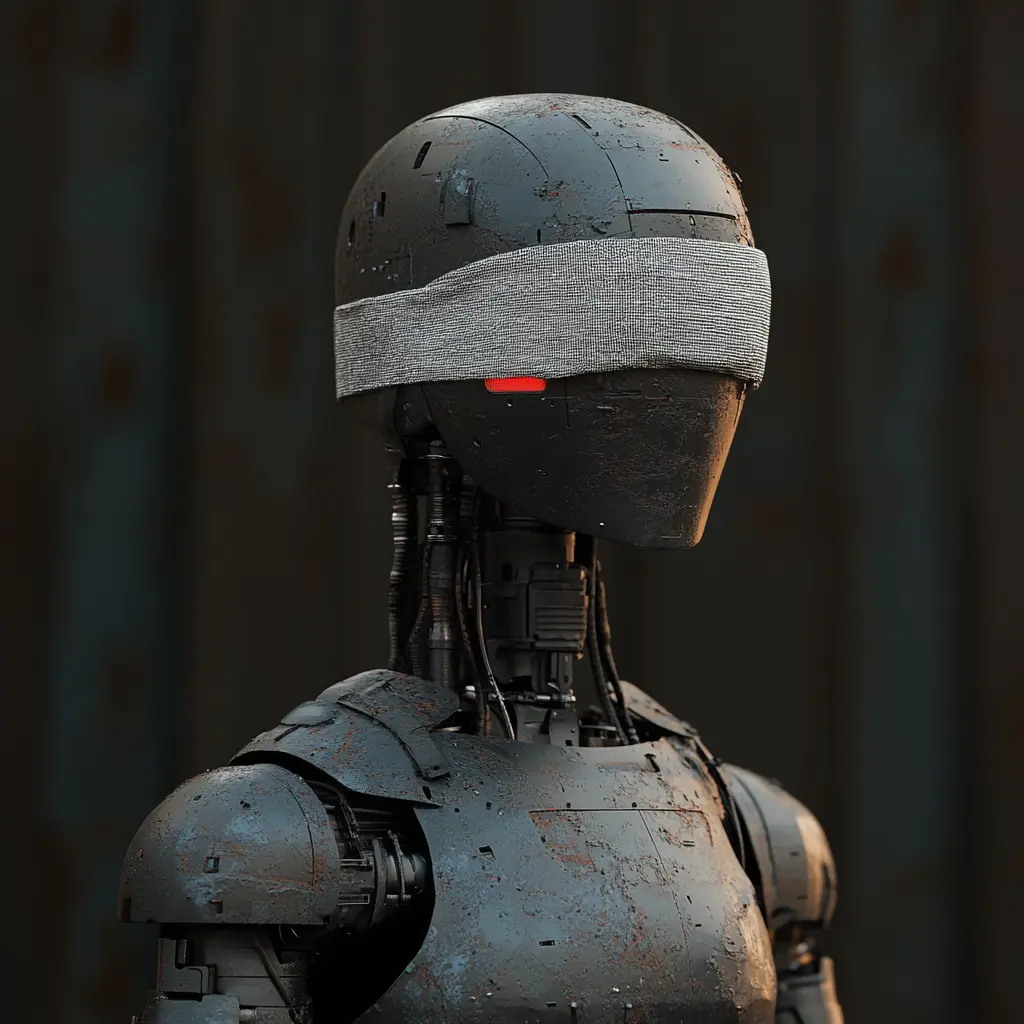
AI’s Blind Spots: Confronting the Frame Problem
In the realm of artificial intelligence, one of the most perplexing challenges is known as the frame problem. Imagine AI as a driver navigating a bustling highway. This driver must constantly be aware of changes in the environment, such as the movement of other cars and changing traffic signals, while also understanding which aspects remain…
-
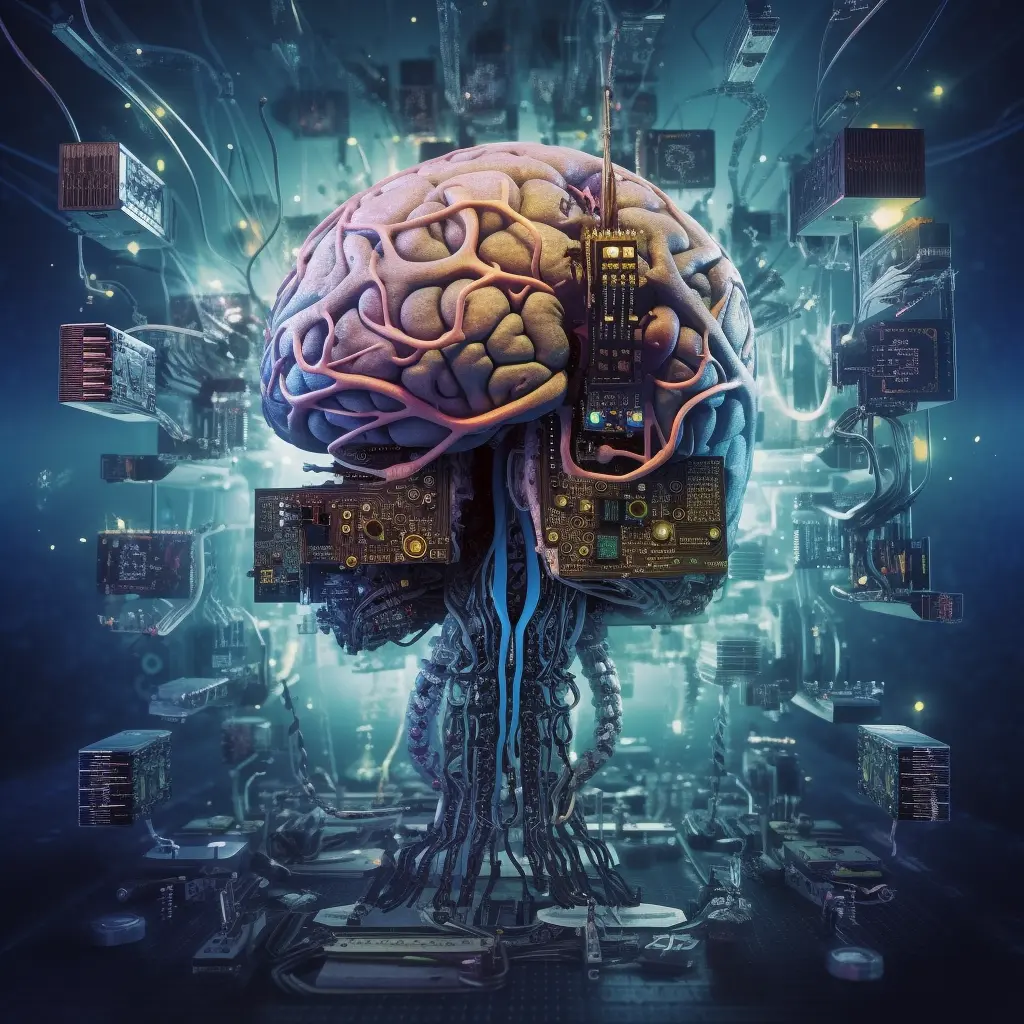
The Emergence of Theory of Mind in AI: Spontaneous Development and Implications
In the realm of cognitive science, the Theory of Mind (ToM) refers to the inherent human ability to understand and predict another individual’s mental states – their beliefs, desires, intentions, and emotions. This critical component of human cognition is what allows us to interact effectively within our social environments. But can a non-human entity, an…